-
THANK YOU TO OUR SPONSOR: Flip Flop Spanish Make Spanish Stick! Turn Spanish into a natural part of your family’s everyday life with Flip Flop Spanish: Phrases That Stick! Each week, choose from 3 useful phrases, listen to the audio, and use your favorite phrase throughout the week. No prep. No worksheets. Just hear it, say it, use it! EXCLUSIVE OFFER: Get the Phrases That Stick digital version for an extra $5 off! Expires Oct 6th.
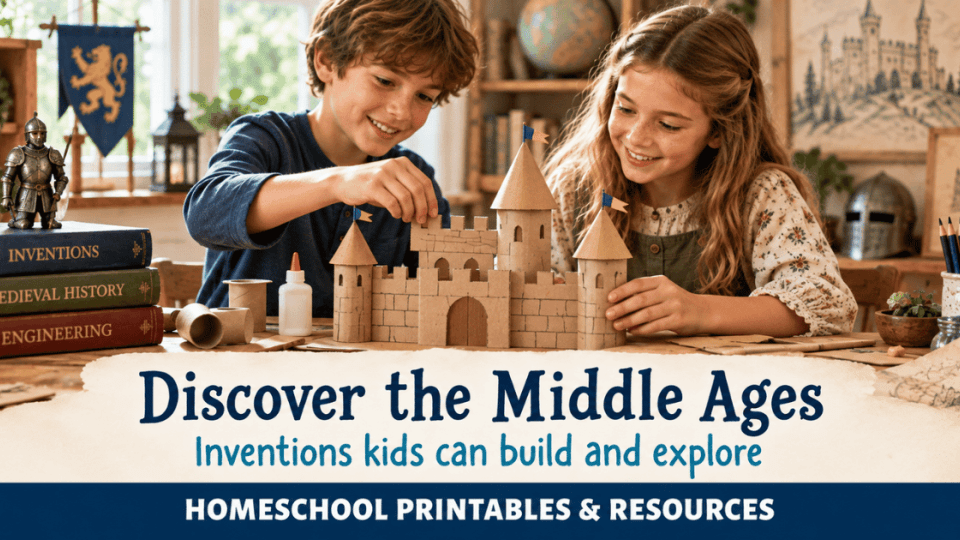
Hands-On Medieval Inventions
A thousand years before airplanes, a man in Spain tried to fly. According to later medieval accounts, Abbas ibn Firnas of 9th-century Córdoba built a frame covered in feathers, climbed a height, and launched himself into the air. He covered a distance before injuring his back on landing. For a few moments in the 800s, someone in Europe had left the ground on purpose.
Most people still picture the Middle Ages as a long stretch of mud and little progress. The early centuries after Rome’s fall did bring disruption. Yet the full era ranks among history’s most inventive periods. It produced mechanical clocks, eyeglasses, the magnetic compass (which reached Europe from China), widespread mills, and the printing press. Gunpowder, invented in China centuries earlier, arrived and transformed European warfare.
This unit study explores the inventions that defined the age, split by age group, plus hands-on builds the whole family can try.
Storm the Castle: Build a Catapult
High Middle Ages, 1000s to 1200s
Castles stood as the era’s most advanced defense technology. Builders constantly redesigned walls and towers to stay ahead of new siege weapons like the catapult and trebuchet. Tina’s Dynamic Homeschool Plus’s pumpkin catapult makes a fast seasonal project with craft sticks, a rubber band, and a mini pumpkin.
Fortify the Fortress: Castle Building
High to Late Middle Ages, 1000s to 1400s
Every castle needed strong walls and a way to control who entered. Choose one of these builds:
- A medieval Lego challenge lets kids design their own castle, tower, or siege weapon from the bricks already in the bin.
- A cardboard castle turns household boxes into a fortress kids can decorate and play in for weeks.
- Teach Beside Me’s cereal box drawbridge turns an empty cereal box into a working drawbridge that raises and lowers on a string.
Younger Explorers (Under 12)
Race Against the Sand: The Hourglass (1300s)
Before mechanical clocks, people tracked time with hourglasses: two glass chambers joined by a narrow neck and filled with sand that took a set amount of time to run through. The earliest clear picture of one appears in a 1338 fresco in Italy. Sailors relied on them for centuries because a rocking ship never threw off the sand. The Inspired Treehouse’s homemade hourglass builds one from two water bottles and a simple flow restrictor.
Find True North: The Magnetic Compass (1100s to 1200s)
The magnetic compass reached Europe from China around the late 1100s. It let sailors find north in fog or at night when the stars alone could not help. Education.com’s homemade compass shows how a floating, magnetized needle finds true north. Their compass rose worksheet makes a solid follow-up for practicing directions on a real map.
Design Your Own Coat of Arms: Heraldry (1100s to 1400s)
Knights and noble families identified themselves in battle and at tournaments with painted shields called coats of arms. TimeRef’s coat of arms designer lets kids build their own shield using the real colors and symbols medieval families used.
Older Explorers (12+)
Print Like a Renaissance Rebel: The Printing Press (mid-1400s)
Before Johannes Gutenberg’s printing press, invented around 1440, every book was copied by hand. A single volume could take a scribe months. Gutenberg’s press used raised, inked, movable type to print far faster. IEEE REACH’s Potato Stamp Monogram activity has kids carve a letter into a potato and stamp their own monogrammed stationery. Adult supervision is required for the cutting step.
Harness the Wind and Water: Mills at Work (1100s to 1300s)
Villages once ground grain and sawed wood entirely by hand. Water mills had already spread across Europe by the early Middle Ages, and windmills appeared in the late 1100s. Both put moving water and air to work. Little Bins for Little Hands’ windmill activity (and similar water wheel builds) turns paper plates and pinwheels into working models.
Turn Lead into Gold (Or Try To): Medieval Alchemy (throughout the era)
Medieval alchemists spent years trying to turn ordinary metal into gold. They never succeeded, yet their experiments developed techniques and tools that later fed into chemistry. Tina’s Dynamic Homeschool Plus’s medieval chemistry activity uses red cabbage juice as a color-changing indicator to test household acids and bases.
Become a Castle Historian: Research Project (1000s to 1400s)
Have your student pick one invention or structure from this post—a castle, a siege engine, or a medieval building—and write a short report on it. TimeRef’s 3D castle and siege engine reconstructions let them walk through the real thing first and gather details before writing.
Illuminate the Page: Manuscript Craft (500s to 1400s)
Monks copying books by hand did more than write the words. They decorated the pages with gold and oversized, ornate first letters called illuminations. iHomeschoolNetwork’s illuminated manuscript project walks through staining paper with tea to mimic aged parchment, then decorating it by hand.
Chart the Centuries: Build Your Own Timeline
For the full sweep of the era, from the fall of Rome in 476 AD to the invention of the printing press around 1440, The Middle Ages Timeline for Kids lays it out in order. Have older kids use it as a starting point to build their own illustrated timeline. Sketch or print a small picture for each major event and invention covered here, and label each with its date.
Eat Like a Poor Knight: A Medieval Feast
End the unit with a taste of the era. “Poor Knights,” a dish going back to the 1300s, is essentially medieval French toast. Stale bread is soaked in an egg mixture and fried until golden. German sources call it Arme Ritter, or “poor knights.” Serve with jam or honey for a simple, kid-friendly close to the study.

The resources and ads below are from our advertising partners.
 | A free monthly workshop where homeschool families tackle common challenges together. Each month, families join a free, one-hour online workshop built around a common homeschool challenge, not a specific subject. Parents and kids participate together through hands-on activities and discussion, then leave with practical strategies, fresh ideas, and encouragement from other homeschool families facing the same challenges. Sign up for Free! |
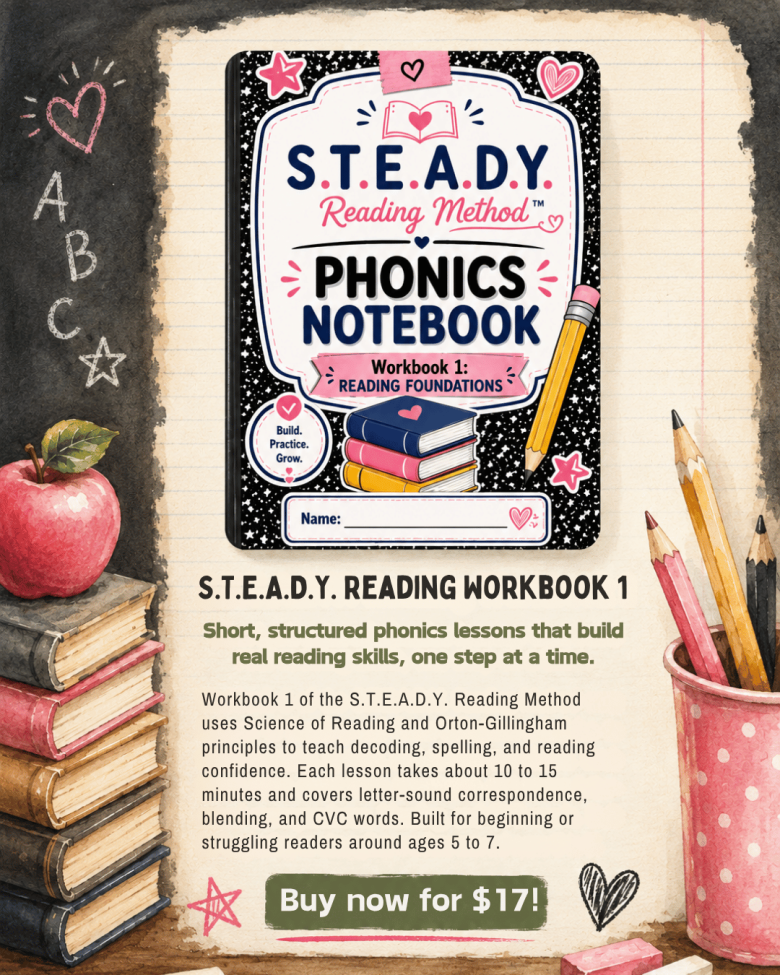 | Short, structured phonics lessons that build real reading skills, one step at a time. Workbook 1 of the S.T.E.A.D.Y. Reading Method uses Science of Reading and Orton-Gillingham principles to teach decoding, spelling, and reading confidence. Each lesson takes about 10 to 15 minutes and covers letter-sound correspondence, blending, and CVC words. Built for beginning or struggling readers around ages 5 to 7. Buy now for $17! |
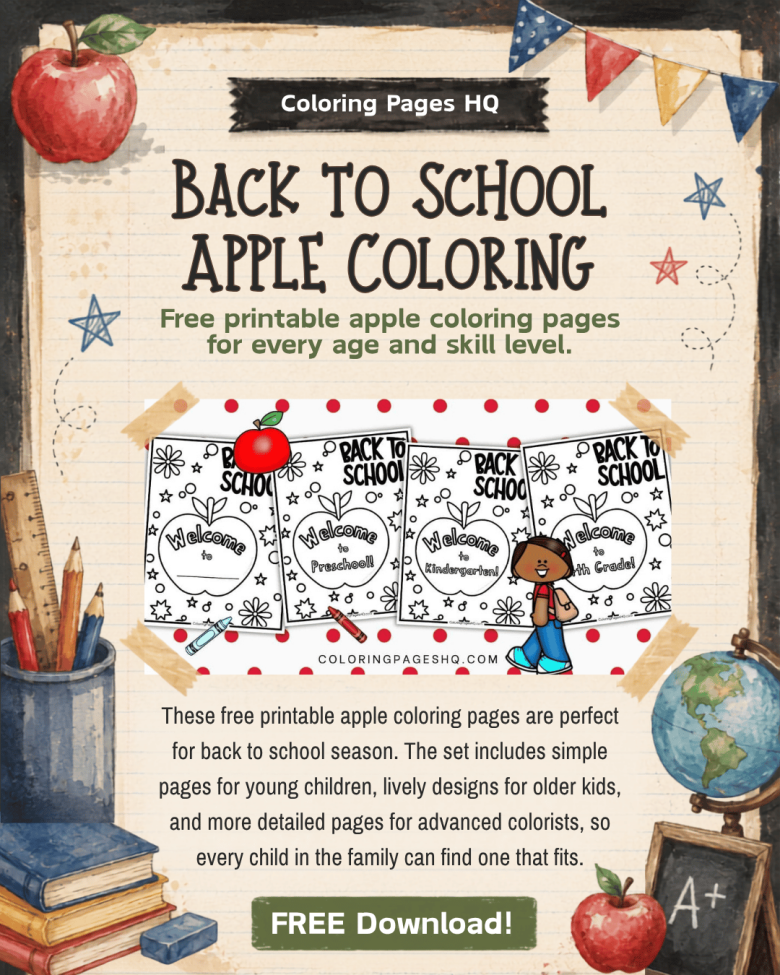 | Free printable apple coloring pages for every age and skill level. These free printable apple coloring pages are perfect for back to school season. The set includes simple pages for young children, lively designs for older kids, and more detailed pages for advanced colorists, so every child in the family can find one that fits. FREE Download! |
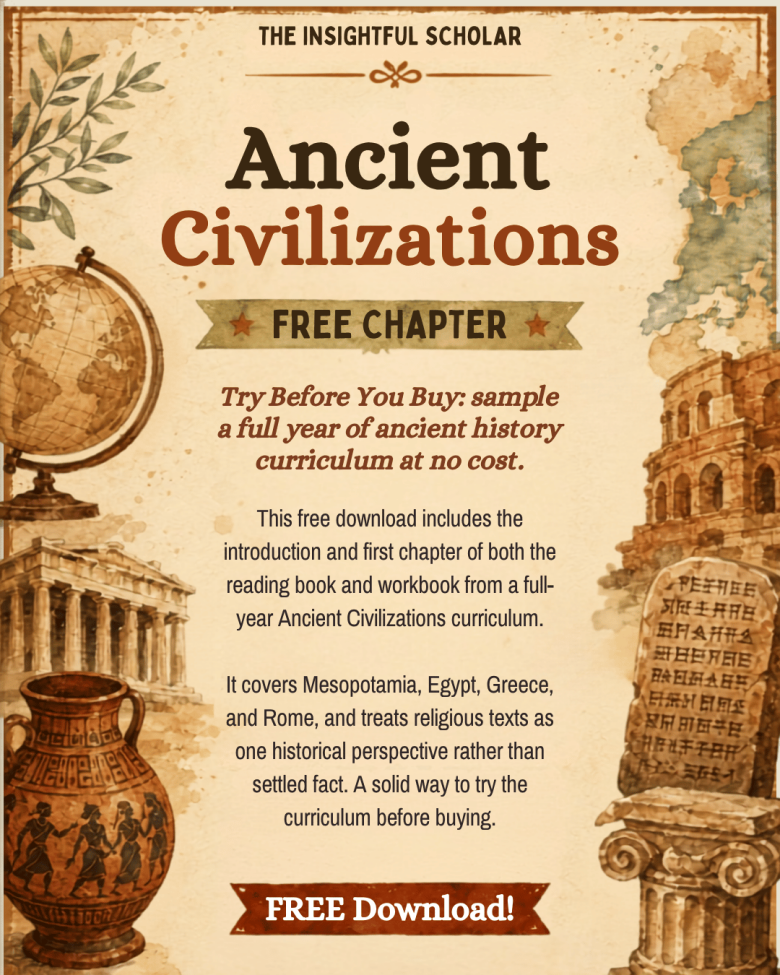 | Try before you buy. This free download includes the introduction and first chapter of both the reading book and workbook from a full-year Ancient Civilizations curriculum. It covers Mesopotamia, Egypt, Greece, and Rome, and treats religious texts as one historical perspective rather than settled fact. A solid way to try the curriculum before buying. FREE Download! |
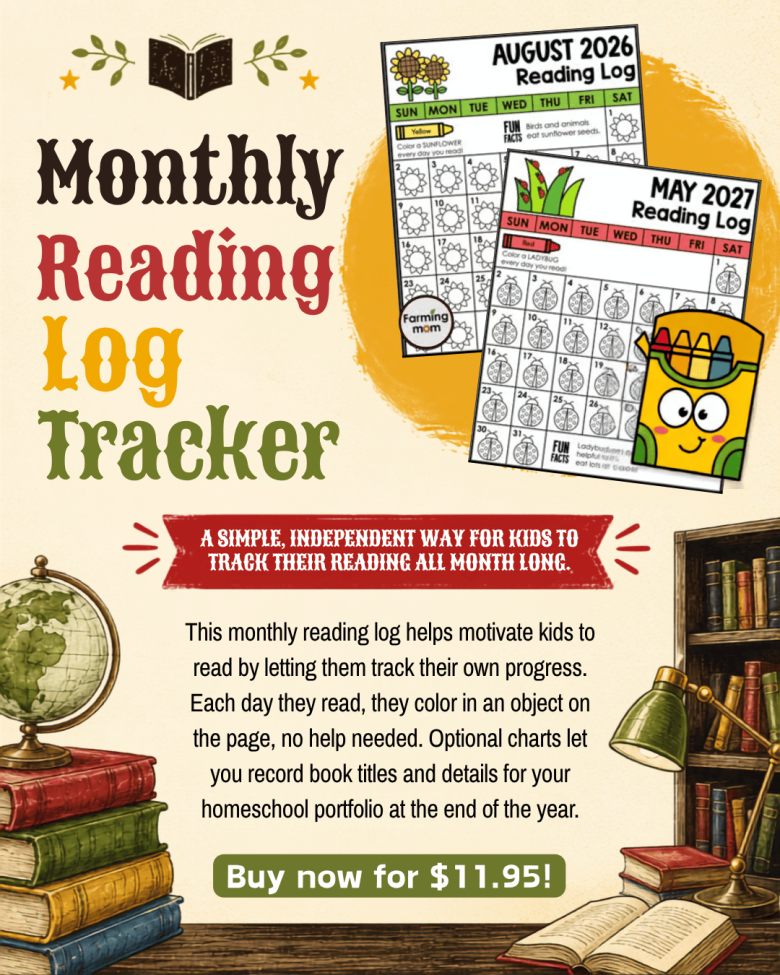 | A simple, independent way for kids to track their reading all month long. This monthly reading log helps motivate kids to read by letting them track their own progress. Each day they read, they color in an object on the page, no help needed. Optional charts let you record book titles and details for your homeschool portfolio at the end of the year. Buy now for $11.95! |
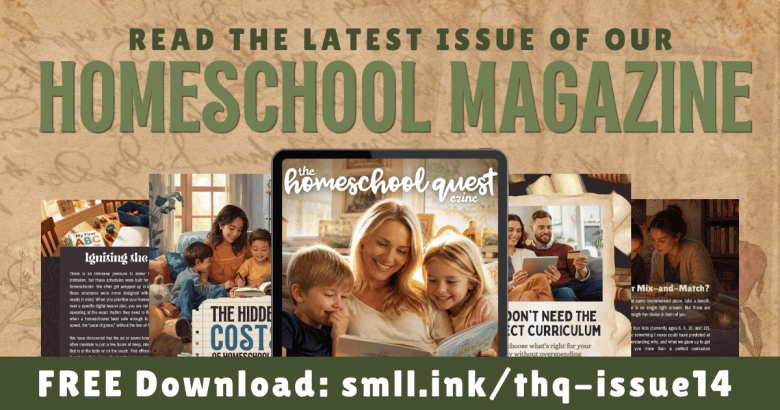
Homeschooling on a budget?
The latest issue of the Homeschool Quest magazine is packed with tips to help you spend smarter. From hidden costs to community-voted curriculum picks, this issue is your guide to getting the most bang for your buck.
Inside you'll find:
• Four questions to ask before choosing any curriculum
• The hidden costs nobody talks about
• Science experiments using stuff already in your kitchen
• Writing tools that don't break the bank
• The Homeschool Quest Curriculum Awards
Download the magazine for free!

Check out these amazing homeschool resources!
This short ebook and audio lesson teaches 9 common Spanish manners words through a five-day plan built for Charlotte Mason homeschools. Kids listen, act out the words, then color, draw, and play bingo to practice what they've learned, a quick and engaging addition to your week. FREE Download!
This screen-free, no-prep printable journal for ages 8 to 12 helps kids reframe 'I can't' into 'I'm still learning.' It includes 57 pages of SEL writing prompts built around growth mindset, perseverance, and progress, a simple addition to any homeschool routine. Buy now for $5!
Turn Lost on a Mountain in Maine into a hands-on survival adventure. Kids solve 7 challenges covering navigation, first aid, weather safety, and plant identification while rescuing Donn Fendler from Mount Katahdin. Print and play, 45 to 60 minutes, perfect for ages 8 to 14. Buy now for $6!
Want to reach 300,000+ homeschool families?
Explore our affordable advertising plans.
- Log in to post comments